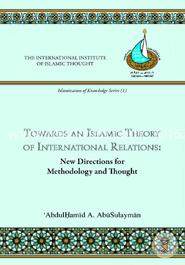
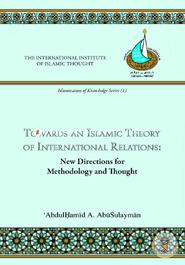
Recent events have demonstrated that one of the most important fields of study in this century is world order. The contribution of this book to this field is that it attempts to lay the intellectual foundations for a reconsideration of what constitutes a truly Islamic world order. Perhaps the words of the late Professor Ismail al-Faruqi, in his scholarly introduction to this work, best describes the landmarks of such an order; “The world order of Islam would confer upon every person by virtue of birth and humanity, the ultimate right and honor, namely, the capacity to think and make up one’s mind as to which millah one wishes to belong and hence, by which law one desires to order one’s life and that of one’s dependents.” In dealing with his subject, the author has had to return to the sources of Islam, the Qur’an and the Sunnah, and develop a methodology for dealing with them in a creative and practicable manner. In doing so, he examines the methodology developed by the early generations of Muslim scholars and finds it limited by its legalistic approach. Thus, much of the value of his work lies in its discussion of methodology and in the social sciences in general, by means of methodology developed from a purely Islamic perspective. Originally submitted as a doctoral dissertation, and then revised for its publication in 1987 as “The Islamic Theory of International Relations”, this edition, retitled “Towards an Islamic Theory of International Relations”, has undergone serious editorial revision, and may now be seen to convey the author’s pioneering ideas in a way that befits their importance.
Title
Towards an Islamic Theory of International Relations: New Directions for Methodology and Thought
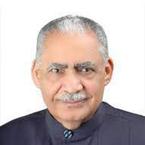
প্রফেসর ইমেরিটাস ড. আব্দুলহামিদ আহমদ আবুসুলাইমান। একজন আন্তর্জাতিক খ্যাতিসম্পন্ন ইসলামি পণ্ডিত, চিন্তাবিদ, শিক্ষাবিদ এবং ইসলাম ও ইসলামী সংস্কার বিষয়ক বিভিন্ন বই ও নিবন্ধের লেখক। ১৯৩৬ সালে সৌদি আরবের পবিত্র মক্কা নগরীতে জন্ম গ্রহণ করেন। তিনি কায়রো বিশ্ববিদ্যালয় হতে ১৯৫৯ সালে বাণিজ্যে গ্রাজুয়েশন ডিগ্রি ব্যাচেলর অফ আর্টস ইন কমার্স এবং ১৯৬৩ সালে রাষ্ট্রবিজ্ঞানে মাস্টার্স ডিগ্রি মাস্টার অফ আর্টস ইন পলিটিক্যাল সায়েন্স লাভ করেন। পরবর্তীতে দশ বছর পর ১৯৭৩ সালে তিনি আমেরিকার প্যানসিলভেনিয়া বিশ্ববিদ্যালয় হতে আন্তর্জাতিক সম্পর্ক বিষয়ে ডক্টরেট (ডক্টর অফ ফিলোসফি) ডিগ্রি অর্জন করেন। ১৯৬৩-১৯৬৪ সালে সৌদী আরবের স্টেট প্লানিং কমিটির সেক্রেটারী হিসেবে তার কর্মজীবন শুরু হয়। পরবর্তীতে তিনি সৌদি আরবের রিয়াদের কিং সউদ ইউনিভার্সিটিতে ১৯৮২ থেকে ১৯৮৪ পর্যন্ত রাজনীতি বিজ্ঞান বিভাগের চেয়ারম্যান ছিলেন। এরপরে তিনি মালয়েশিয়ায় চলে যান। ১৯৮৮-১৯৯৯ সাল পর্যন্ত তিনি ইন্টারন্যাশনাল ইসলামিক ইউনিভার্সিটি মালয়েশিয়ার (আইআইইউএম) রেক্টর হিসেবে দায়িত্ব পালন করেন। তার রেক্টারি চলাকালীন আইআইইউএম উচ্চ বিদ্যালয়ের মানসম্পন্ন মাদ্রাসা থেকে একটি বিশ্বমানের বিশ্ববিদ্যালয়ে উন্নীত হয়, যেখানে একটি নতুন ক্যাম্পাসে ১৫,০০০ শিক্ষার্থী ভর্তি হয়েছিল, যা কার্যকরী আধুনিক ইসলামী স্থাপত্যশাস্ত্রে একটি যুগান্তকারী হিসাবে বিবেচিত হয়। এ ছাড়া তিনি ১৯৭২ সালে প্রতিষ্ঠিত এসোসিয়েশন অব মুসলিম সোস্যাল সাইন্টিস্টস (এএমএসএস)-এর অন্যতম প্রতিষ্ঠাতা। ১৯৭৩-১৯৭৯ সালে ওয়ার্ল্ড অ্যাসেম্বলি অব মুসলিম ইয়ুথ (ওয়ামী)-এর সেক্রেটারি জেনারেল হিসেবে দায়িত্ব পালন করেছেন। ইন্টারন্যাশনাল ইনস্টিটিউট অব ইসলামিক থ্যট (আইআইআইটি) এর প্রতিষ্ঠাতা সদস্য এবং বোর্ড অব ট্রাস্টিজ-এর চেয়ারম্যান হিসেবেও দায়িত্ব পালন করেন। অসংখ্য আন্তর্জাতিক একাডেমিক কনফারেন্স ও সেমিনার আয়োজনে গবেষক হিসেবে তিনি মুখ্য ভূমিকা পালন করেন। মালয়েশিয়া ও সারা বিশ্বের মুসলমানদের প্রতি তার সেবার স্বীকৃতিস্বরূপ ২০১৬ সালে আইআইইউএম এর কুল্লিয়াহ অব ইসলামিক রিভিল্ড নলেজ এন্ড হিউম্যান সাইন্সেস অনুষদের সাথে তার নাম যুক্ত করা হয় (এএইচএএস কেআইআরকেএইচএস)। এর আগে ২০০৮ সালে আইআইইউএম তাকে শিক্ষায় দর্শন বিভাগের সম্মানসূচক ডক্টর ডিগ্রি প্রদান করে। মুসলিম সমাজের সংস্কার এবং সংশোধন নিয়ে ছিল তার চিন্তা ও ধ্যান-জ্ঞান। জ্ঞান, শিক্ষা ও চিন্তার পুনর্গঠনে এবং মুসলিম উম্মাহ’র সংস্কার ও জাগরনে তিনি বেশকিছু মূল্যবান পুস্তক ও প্রবন্ধ রচনা করেন। তার উল্লেখযোগ্য গ্রন্থগুলো হলো- The Islamic Theory of International Relations: New Directions for Islamic Methodology and Thought; Theory of Economics: Philosophy and Contemporary Means; Islamization of Knowledge: IIUM as a Model; Azmat al-Iradah wa-al-wijdan-al-Muslim; Azmat al Aql al Muslim; The Crisis of Muslim Will and Spirit (2004); Marital Discord: Recapturing Human Dignity Through the Higher Objectives of Islamic Law; Reform of Modern Islamic Thought in the Case of Criminal Law; Punishment for Apostasy in Islam with regard to ‘Aqida and Islamic Law’; A Smart Monkey that Couldn’t Count (Persuasive story); Builders’ Island: for Children and Adolescents; Hidden Treasure of Builders’ Island; “Amazon Booklist: Abdul Hamid Abusulayman.” Retrieved 6 May, 2016.





 Hello, Sign in
 Cart
Cart