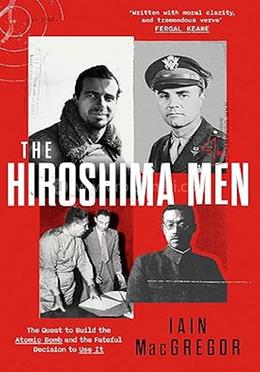
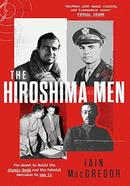
At 8:15 a.m. on August 6th, 1945, the Japanese port city of Hiroshima was struck by the world's first atomic bomb. Built in the US by the top-secret Manhattan Project and delivered by a B-29 Superfortress, a revolutionary long-range bomber, the weapon destroyed large swaths of the city, instantly killing tens of thousands. The world would never be the same again.
The Hiroshima Men's unique narrative recounts the decade-long journey towards this first atomic attack. It charts the race for nuclear technology before, and during the Second World War, as the allies fought the axis powers in Europe, North Africa, China, and across the vastness of the Pacific, and is seen through the experiences of several key characters: General Leslie Groves, leader of the Manhattan Project alongside Robert Oppenheimer; pioneering Army Air Force bomber pilot Colonel Paul Tibbets II; the mayor of Hiroshima, Senkichi Awaya, who would die alongside over eighty-thousand of his fellow citizens; and Pulitzer Prize-winning novelist John Hersey, who travelled to post-war Japan to expose the devastation the bomb had inflicted upon the city, and in a historic New Yorker article, described in unflinching detail the dangers posed by its deadly after-effect, radiation poisoning.
This thrilling account takes the reader from the corridors of the White House to the laboratories and test sites of New Mexico; from the air war above Nazi Germany and the savage reconquest of the Pacific to the deadly firebombing air raids across the Japanese Home Islands. The Hiroshima Men also includes Japanese perspectives - a vital aspect often missing from Western narratives - to complete MacGregor's nuanced, deeply human account of the bombing's meaning and aftermath.
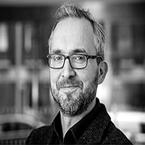
Iain MacGregor has been an editor and publisher of nonfiction for thirty years working with esteemed historians such as Simon Schama, Michael Wood and James Barr. He is himself the author of the acclaimed oral history of Cold War Berlin: Checkpoint Charlie and his writing has appeared in the Guardian, the Express, as well as the Spectator and BBC History magazines. As a history student he has visited East Germany, the Baltic and the Soviet Union in the early 1980s and has been captivated by modern history ever since. He has published books on every aspect of the Second World War. Iain is a Fellow of the Royal Historical Society and lives with his wife and two children in London.
 Hotline: 16297 (9 AM to 8 PM)




 Hello, Sign in
 Cart
Cart